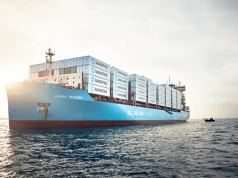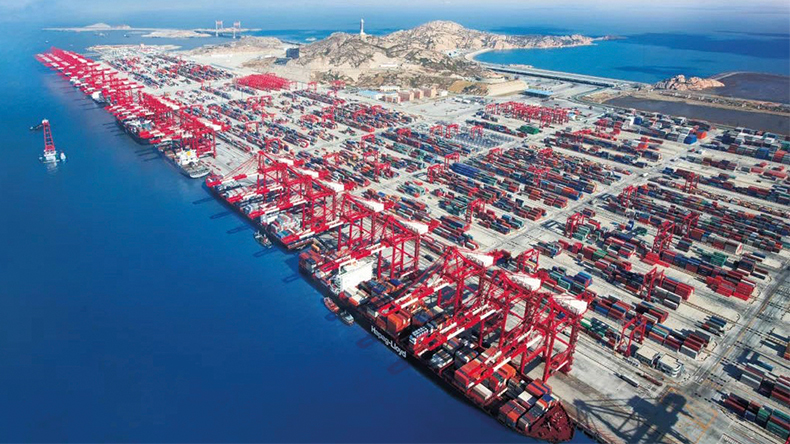
China has thrown global shipping markets into fresh turbulence with the introduction of retaliatory port fees on vessels from nations that have recently imposed trade restrictions or tariffs on Chinese goods. The move, which took effect this past week, applies across major gateways such as Shanghai, Shenzhen, Tianjin, and Ningbo, and has already sent ripples through the freight and logistics sectors.
Under the new measures, foreign-flagged ships from the U.S. will face higher port handling and documentation fees, while Chinese and neutral carriers are exempt. Analysts see the step as Beijing’s direct response to what it perceives as an escalation of economic containment policies by Western governments.
For the global shipping industry, the implications are immediate and complex. Major carriers are now recalculating routes, costs, and schedules, while freight forwarders warn of rising shipping rates on Asia–Europe and trans-Pacific lanes. Some lines have begun diverting vessels to Singapore, Busan, or Port Klang, seeking to minimize exposure to new costs and delays at Chinese ports.
Industry observers fear the move could reignite a new wave of supply chain disruptions, reminiscent of the volatility seen during the pandemic and the Red Sea crisis.
We were just beginning to see stability return to freight markets – one European logistics executive said, and this measure could easily undo that progress.
Economists warn that the dispute may evolve into a tit-for-tat spiral of maritime and trade restrictions, with potential knock-on effects for exporters, energy shipments, and manufacturing supply chains. As geopolitical tension increasingly spills into logistics, global shipping once again finds itself navigating through uncertain and politically charged waters.