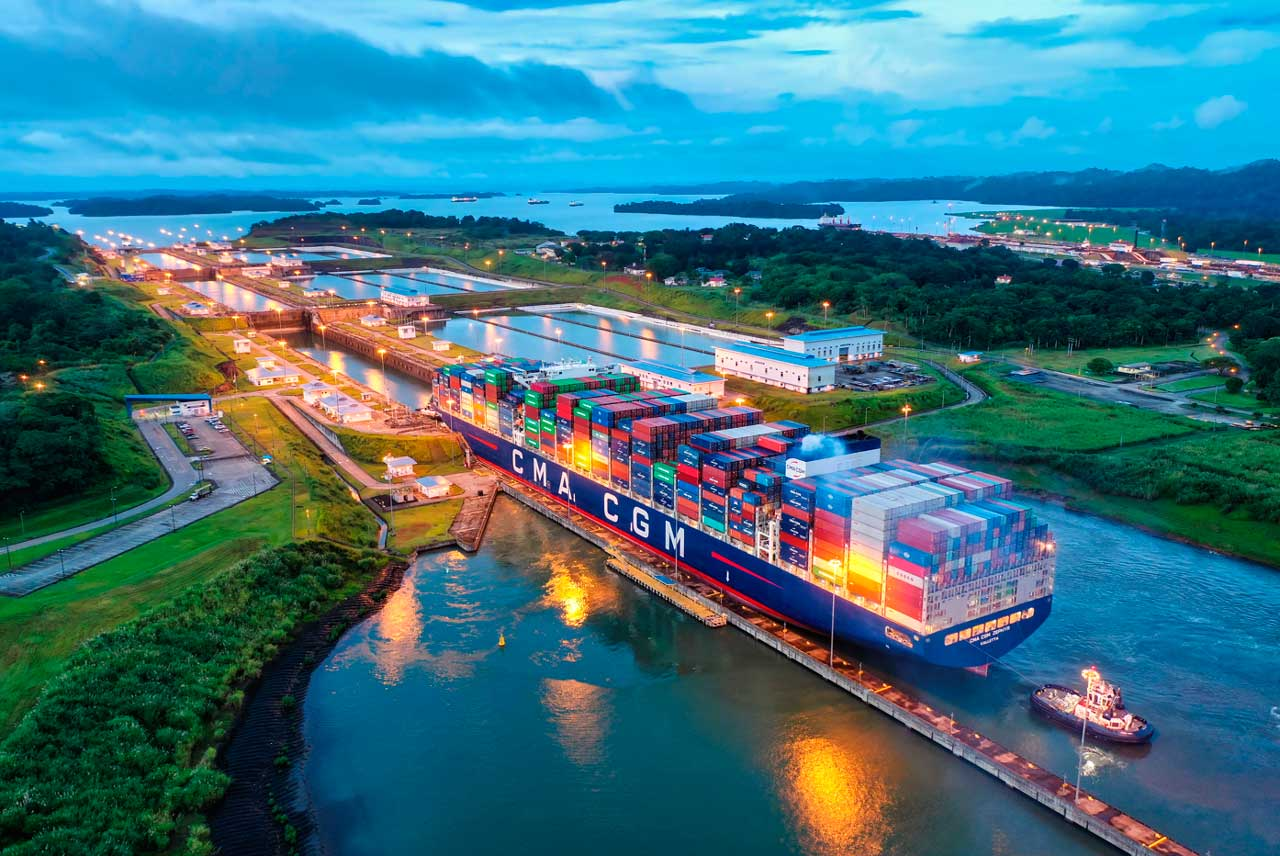
In a move that underscores its drive for innovation and efficiency, the Panama Canal Authority (ACP) has announced a significant update to its transit reservation system — a change designed to make life easier for its global clientele and to strengthen the Canal’s position as a cornerstone of world trade.
Last October 5, 2025, the Canal’s Transit Reservation Office extended its operating hours from 07:00 to 22:00 local time, seven days a week. For the thousands of ship operators and logistics coordinators who rely on the Canal daily, this means far greater flexibility and far fewer midnight calls across time zones.
The decision reflects not only the Canal’s responsiveness to its international users but also the increasing digital rhythm of global shipping, where efficiency and time are the ultimate currencies. As one ACP representative noted, “our goal is to be as accessible as the world we serve.”
In addition to longer service hours, the Booking Period 3 deadline will now close at 3:00 p.m., as of October 7. This applies to all vessel categories — Neopanamax, Supers and Regulars.
This measure is expected to enhance planning, improve coordination, and minimize congestion during peak transit seasons.
The Panama Canal’s reservation system, often described as its invisible engine, allows ships to secure guaranteed passage on specific dates, a vital advantage when global logistics can shift overnight. During recent years of fluctuating rainfall and water-level challenges, this system proved essential to maintaining orderly operations and customer confidence.
The ACP emphasized that these updates stem from direct dialogue with maritime stakeholders and reflect its long-term commitment to transparency, modernization, and adaptability. As global trade lanes evolve and competition among transit routes intensifies, Panama is signaling that it intends to remain not just relevant, but indispensable.
More than a century after its first vessel crossed from ocean to ocean, the Panama Canal continues to reinvent itself, one operational improvement at a time.